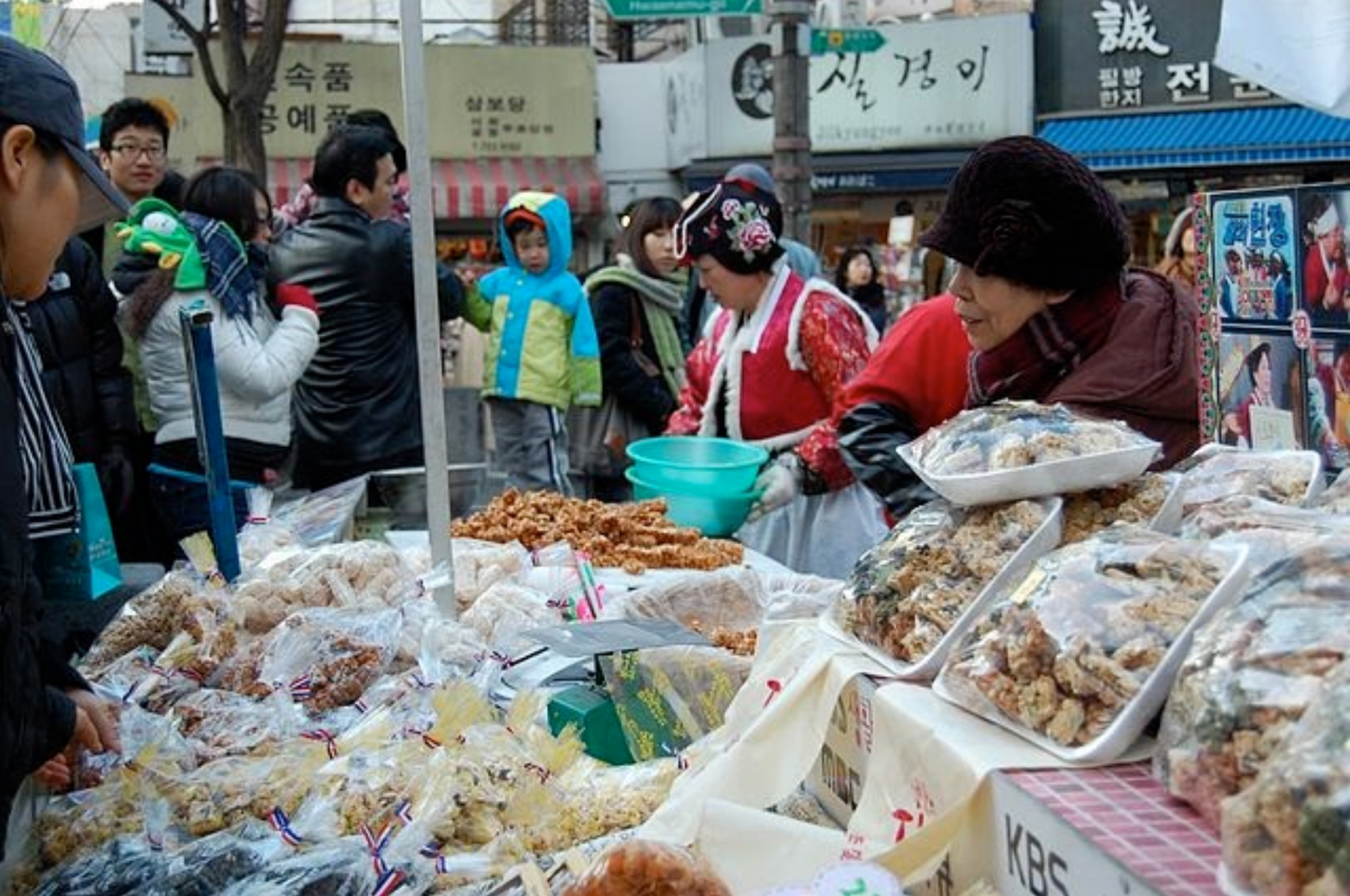
With travel restrictions still in place, give your inner foodie a vacation with a taste of Seoul. Korean food has become widely popular for its barbeque preparations and signature dishes such as Kimchi. As a cuisine that’s largely comprised of rice, vegetables, and meat, even the pickiest of eaters will enjoy Korean food. Studies from The Journal of Ethnic Foods reveal that Korean food is also extremely nutritious and largely explains South Koreans high life expectancy rate, making it all the more reason to give it a try!
- Kimchi
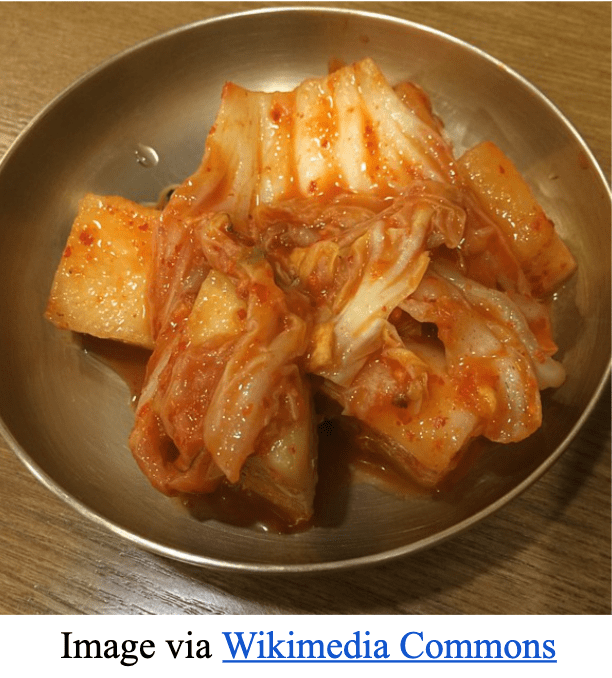
As mentioned earlier, kimchi is a predominant dish in Korean cuisine. It’s fermented cabbage or radish that’s flavored with onions, garlic, ginger, jeotgal (salted seafood), and Korean chilies – such seasonings allow for a mouthwatering combination of sour, sweet, and spicy. Research shows that kimchi contains healthy bacteria that improve digestion and reduce the likelihood of chronic health issues, such as cardiovascular disease and cancer. Although kimchi is traditionally served as a side dish, people love it so much that it’s now being made all over the world for many occasions. For a simple recipe and how-to video, click here.
2. Jjapaguri (or Ram-Don)

Thanks to the iconic film Parasite (2019), ram-don has become increasingly popular. While Jjapaguri is the traditional name for this item, it was dubbed ram-don to provide a clearer description of what the dish entails to international viewers. According to Food 52, ram-don is a combination of the words “udon” and “ramen” to highlight that Jjapaguri is made of two different types of instant noodles. The combination of these two noodles’ respective seasonings provides a spicy kick and sense of comfort.
3. Naengmyeon
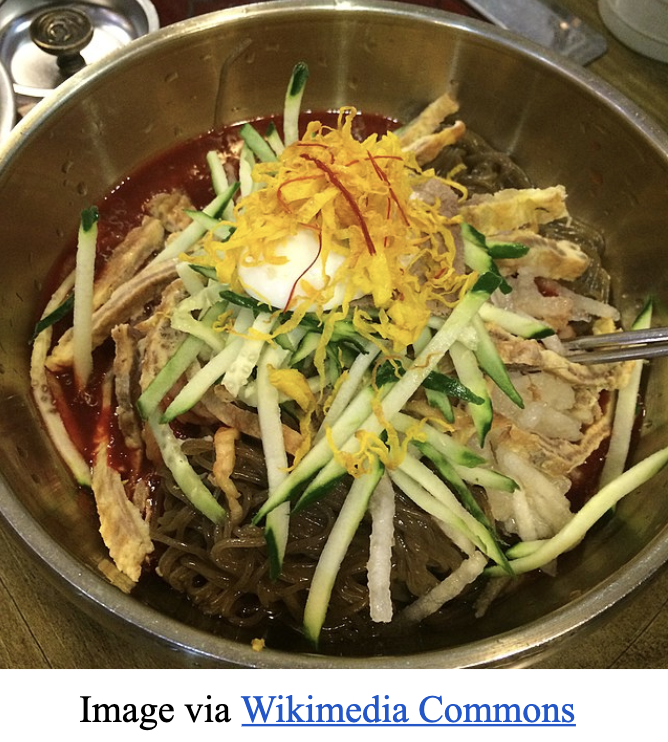
Naengmyeon, a cold noodle dish is a definite crowd-pleaser. There are two varieties to naengmyeon: mul naengmyeon and bibim naengmyeon. Mul naengmyeon is served in a zesty broth, while bibim naengmyeon is tossed in a chili sauce called gochujang that makes it spicier. Both come with an array of toppings, including but not limited to cucumbers, a boiled egg, and some sort of meat (beef or chicken). Regardless of which naengmyeon you try, I highly recommend ordering this on a warmer day, as this dish is very refreshing and light and can be compared to that of a pasta salad, but with greater flavor and toppings.
4. Gimbap

Gimbap, or Kimbap, is one of my favorite Korean dishes. Although it may look similar to sushi, my Korean aunt has taught me that there are some key differences between the two. First and foremost, gimbap contains pickled and cooked items, including chicken and beef, while sushi solely typically uses raw fish. The rice used in gimbap is also distinct in that it is sweeter than sushi rice as a result of being cooked with sesame oil. Gimbap also commonly contains an array of spices (such as in the meat) and kimchi, making it more flavorful than traditional sushi.
5. Tteokbokki

These delectable rice cakes are certainly a crowd-pleaser. If you are unfamiliar with what a rice cake is, it’s essentially a chewy piece of heaven. Although Tteokbokki comes in many forms, it has a wonderful combination of sweet, sour, and spicy (like many other Korean dishes). Tteokbokki is ubiquitous in South Korea and is even sold by street vendors in Seoul. During quarantine, I challenged myself to make Tteokbokki using this recipe. It turned out to be a total hit in my house!
6. Bibimbap
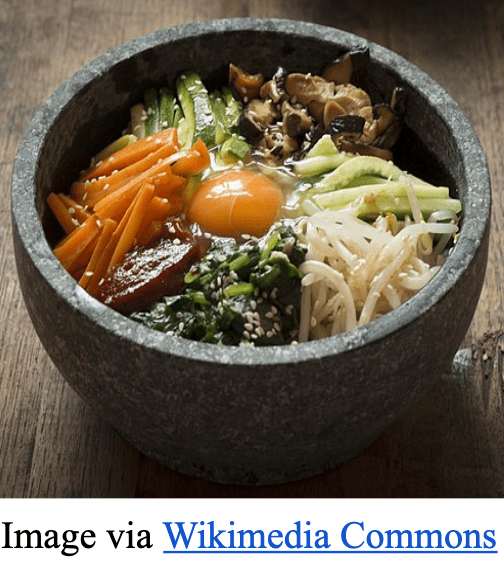
Bibimbap is yet another example of a delicious and healthy Korean dish. It is also highly customizable in that it’s simply a rice bowl topped with Korean-inspired toppings and ingredients. Some common garnishes include gochujang, a runny egg, meat. and an array of veggies, such as bean sprouts, cucumber, and spinach. This is probably one of the easiest Korean-inspired dishes to prepare, so try it out!
https://food52.com/blog/25002-what-is-ram-don
https://journalofethnicfoods.biomedcentral.com/articles/10.1186/s42779-019-0003-9
https://www.feastingathome.com/how-to-make-kimchi/
https://mykoreankitchen.com/bibimbap-korean-mixed-rice-with-meat-and-assorted-vegetables/
By Gaby Pidoux
 Seoul Searching